Save this article to read it later.
Find this story in your accountsSaved for Latersection.
John Cale has impeccable timing.
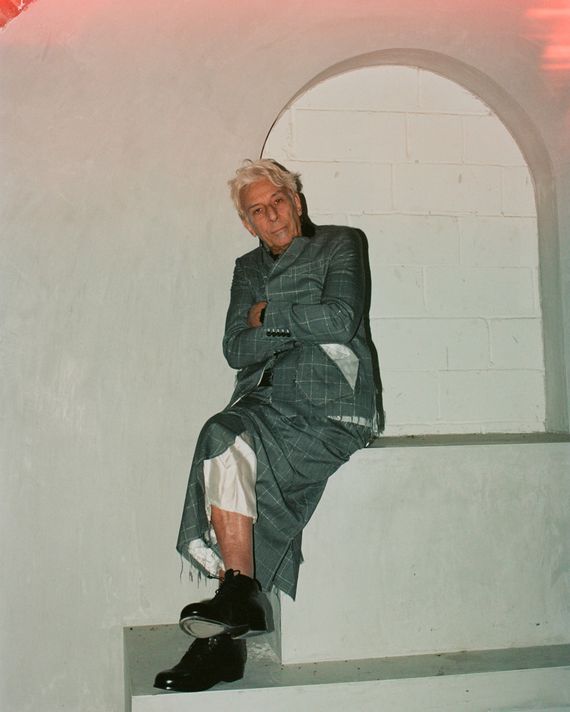
After being edged out of the Velvets in 1968, Cale embarked on a delightfully unpredictable solo career.
would get to in the 70s.
Mercy, Cales 17th solo album, keeps the traditions in place.
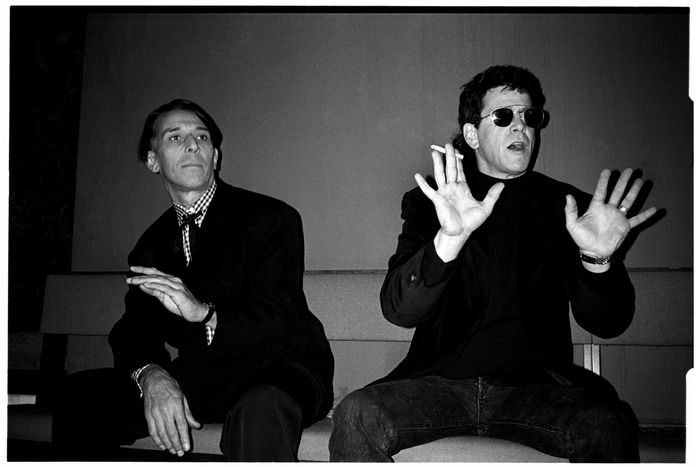
The lyrics suggest a unique relationship to chronology.
Old ghosts mingle with new terrors.
At 80, hes worked with your legends legends legends.
He also keeps up with new rap.
Mercyis your first album of all new material in a decade, sinceShifty Adventures in Nookie Wood.
What pulled you back in?I have a whole bunch of reasons.
I got caught up in writing a bunch of songs.
My vocal palate changed a bit.
What happened had something to do with having to expand my vocal tastes, and thats where we started.
It expanded and it got better.
I was glad I did.
It was really a good use of my time with the pandemic.
I got a lot done.
I was glad I buttoned down.
Youre also revisiting the past.
When did you write Moonstruck (Nicos Song)?About eight months ago.
I didnt have the wherewithal to say, Okay, now Im going to write a song about Nico.
Thats not the way it happened.
After Id done it, suddenly I realized: Wait a minute.
I know who that song is about.
Its someone I know very well.
Her songs had gotten better.
I was really glad to hear that.
I used to have this bartender in Manhattan whod put onThe Marble Indexto clear people out around closing time.
[Laughs] Bartenders always have the answer.
The pivot from thefolk songsofChelsea Girlto thedirgesofMarble Index,Desertshore, andThe End… is such an unusual trip.
They came after a lot of thinking about what she wanted to do.
Jim Morrison made her work.
Nico thought, Hey, write the poetry.
Get the poetry done first, then we can add the melodies and all that.
She used to run around carrying a notebook all the time, and it paid off.
I just wanted to experience everything, he said.
Your new song Night Crawlingmemorializeshim.
Young seemed like the tougher sell.
But there was one concert we did at Rutgers.
I was playing viola.
Tony [Conrad] was bowing an acoustic guitar.
La Monte, I think, was playing saxophone, and Marian [Zazeela] was singing.
La Monte decided that the sax was not the answer, and we had all these problems with intonation.
La Monte had decided that we were going to do some concerts using just intonation.
How did the audience receive this?Oh, it was terrible.
They were yelling and shouting.
I think some of the faculty were there.
They were all yelling at La Monte, saying, La Monte, you should be ashamed of yourself!
La Monte said, So should you.
Ive been thinking a lot about how technical innovations trickle down into popular music.
A lot of the music that came out of the Lower East Side was very scraggy.
It was really undisciplined.
But I think with Tony there was a lot of science involved.
He goes right into the theory side.
But the academic appreciation for this is spread unevenly.
Yet there were titans of 20th-century music working wonders with repetition.Youre right.
La Monte was trying for the same thing, but he didnt quite get how to do it.
Tony did know how to do it, but didnt quite know how to address it.
Thats not a good explanation.
We decided that Columbia really had something going for it.
Columbia University had a practice of experimenting with distorted time … is one way of putting it.
I was interested in how time became distorted.
It was a wild, wonderful ride, and we got quite a lot done.
I dont think anyone went further than La Monte and Tony.
I think theyre still trying to get up there.
A lot came out of it.
I think its true of the whole scene with Tony and La Monte and Terry Jennings.
They all came out in places where they didnt expect.
Its an incomplete journey.
A pioneers job is just to push further into the unknown.
Did the early punk records sort of validate what you were doing in the 60s?
Did you feel like,Okay, people did hear us?No.
Those guys were trying it on.
They were trying really hard to get somewhere based on emotion, the Stooges, especially.
When I first saw the Stooges, they really moved audiences.
But in the best of the Stooges, it was there.
Finding out what really moved them around was a task.
It was well worth doing.
You had to work at it.
When you get to hip-hop, youre on your own.
Theres great ideas going on there and youve got to know what youre looking for.
They mess with everything.
They mess with time.
They mess with pitch.
They really kick off the doors for chaos.
They make chaos romantic.
Every time I say that, theres a groan I can feel coming along.
But you always learn something.
And you knew that when you worked with Lou, you were there for the work.
You werent there to mess around.
He was always generous with his inspiration.
The thing that I always looked to him for was the way the words worked for him.
It didnt work the same way for anybody else.
But … it was sleepwalking, really.
How did you feel about the Dead?
La Monte was part of a really studied jazz school.
He had a job at Pickwick Records, and it was about writing folk songs, basically.
Theyd tell him what they wanted him to write and he did it.
So, you think the third Velvets album was meant to put the spotlight on his songwriting?Yeah.
He was definitely interested in that.
Whatever came once I left was what he was after, I guess?
Its about finding something new at every turn, if you’re able to.
I dont see the point of doing something for the sake of ease.
Thats not for me.
I dont necessarily start out with the intention of being contrary, or challenging, as you put it.
I do have to admit I seem to end up there more often than not.
